
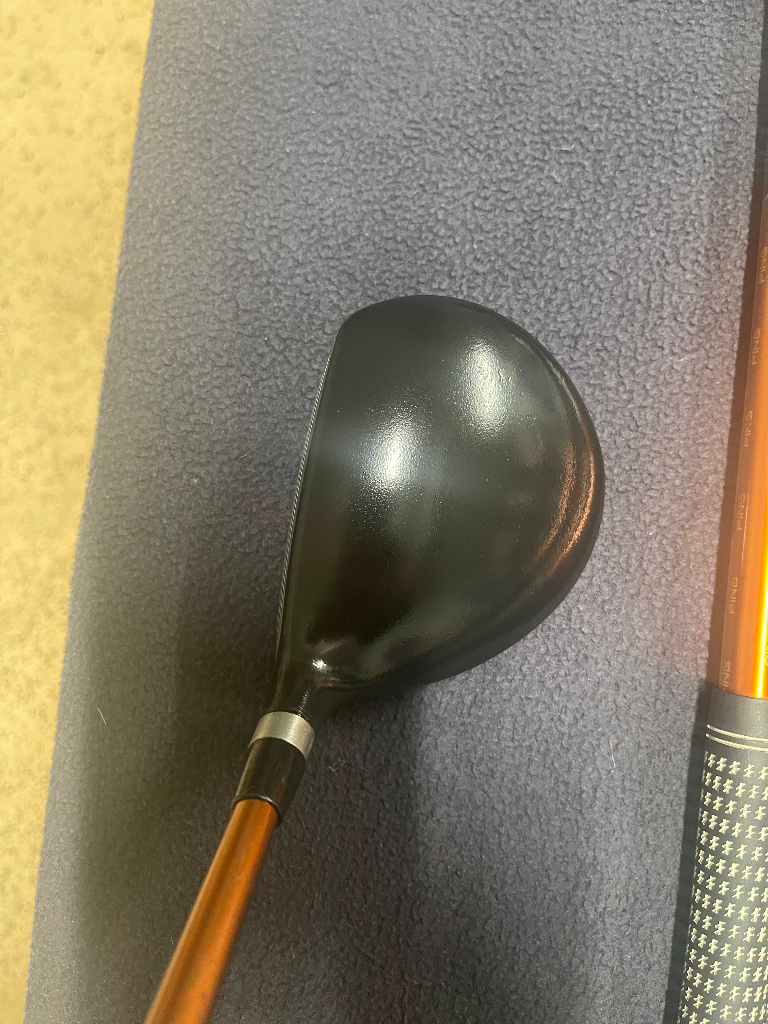
How to Clean Golf Woods and Hybrids Without Damaging the Head
Drivers, fairway woods and hybrids do most of the heavy lifting off the tee and from the fairway. They also pick up grass, mud and sand in places you rarely notice until the face looks dull and the crown feels gritty. Knowing how to clean golf woods the right way keeps spin and launch more consistent, protects coatings and carbon crowns, and stops moisture sitting under a damp headcover.
This guide is written for Australian golfers who play through wet winters, dusty summer fairways and everything in between. It covers what to do after a round, what never to do with hollow heads, and when a professional detail is worth booking.
Why Woods and Hybrids Need a Different Clean
Irons can usually sit in a shallow soak. Modern woods and hybrids are hollow metal or composite constructions. Water forced into ports, weight tracks or the hosel area can sit inside the head, loosen epoxy over time, or leave stains you cannot wipe away.
Major manufacturers make the same point in plain language. Titleist advises cleaning drivers, woods, hybrids, irons and wedges with mild soap and water, then drying with a soft cloth, and keeping clubs and headcovers fully dry before storage. PXG Australia is more direct on fairways and hybrids: do not submerge them. Dip a soft brush in soapy water, scrub gently, then dry thoroughly.
Dirt on a driver or wood face still matters. Even a thin film of grass or soil changes how the ball leaves the face. That shows up as slight loss of distance, odd spin or a shot that starts offline when your swing felt fine.
What You Need Before You Start
You do not need a workshop. A simple kit works at home or in the boot after a wet round.
Use warm water (not hot), a few drops of mild dishwashing liquid, a soft bristled brush or an old toothbrush, two clean microfibre towels, and a dry cloth for a final wipe. Keep a separate dry towel for grips so soap does not strip tackiness.
Skip steel wool, scouring pads, harsh degreasers and strong solvents. Those can scratch paint, cloud crown finishes and chew into face coatings.
Step by Step: How to Clean Golf Woods After a Round
1. Start with a dry wipe
Before any water touches the head, wipe the crown, sole and face with a dry microfibre towel. Knock off loose grass and sand first. That stops grit grinding into the finish when you scrub.
2. Mix a mild soapy bowl
Fill a small bowl with warm water and a teaspoon or two of gentle dishwashing liquid. You are dipping the brush, not the club. Keep the grip and ferrule well clear of the bowl.
3. Brush the face and sole
Dip the soft brush, shake off excess water, and work along the face lines and sole. On hybrids, pay attention to the leading edge and the sole channels where mud packs in. On fairway woods, clean the face carefully and check the sole rails. Rinse the brush often so you are not painting dirty water back onto the head.
4. Wipe the crown and edges
Crowns show every water mark. Use a barely damp section of towel, then switch to a dry section immediately. Carbon and painted crowns look best when you dry as you go rather than letting water sit and spot.
5. Dry everything before the headcover goes back on
This step protects more clubs than any scrub. Titleist notes that storing clubs in wet headcovers can lead to rust and corrosion and may fall outside warranty cover. Squeeze excess moisture from towels, dry the head completely, then dry the inside of the headcover if it got wet on course. Only then slip the cover back on.
6. Quick pass on the shaft and grip
Wipe the shaft with a damp cloth and dry it. For the grip, a lightly damp cloth followed by a full dry is enough between deeper cleans. Avoid soaking grips or using hot water.
Common Mistakes That Shorten the Life of Woods
Soaking the head. Hollow constructions are not built for a bath. Water can enter through weight ports, adjustable hosels or tiny gaps you cannot see.
Putting a wet club into a wet headcover. Moisture trapped overnight is a fast path to odour, staining and corrosion on steel components.
Hard brushes on the face. Aggressive bristles and metal groove tools belong on irons and wedges, not on thin face coatings designed for high ball speed.
Leaving mud to bake on. Melbourne heat after a wet morning round turns soil into a crust. Clean sooner rather than later so you do not scrub harder later.
Ignoring adjustable hosels. Dirt around the hosel and adapter can make loft and lie adjustments sticky. Keep that area clean and dry, especially if you change settings often.
How Often Should You Clean Drivers, Woods and Hybrids?
A light wipe after every round is the habit that pays off. After rain, dew heavy mornings or muddy lies, do the full brush and dry routine the same day.
A deeper clean every few weeks through a busy season keeps crowns looking sharp and faces free of film. If you only play once a fortnight, clean after each round and you will stay ahead of build up.
Spring in Melbourne is a good time for a full bag reset. Clubs that sat through winter often hide grit under headcovers and along sole rails. A thorough clean now sets you up for summer fairways.
When Home Cleaning Is Not Enough
Some issues need more than soap and a towel. Oxidised soles, stubborn staining in sole ports, sticky grips, and bag odour after months of damp storage respond better to a proper detail. Ultrasonic cleaning and careful hand finishing reach places a home brush cannot, without the risk of flooding a hollow head.
Love Your Clubs is a premium golf club detailing service based in Glen Waverley, Melbourne. The team works on full sets including drivers, fairway woods, hybrids, irons, putters, grips, bags, balls, shoes and trolleys. Drop off and pick up is available within about 15 km of Glen Waverley so you do not need to rearrange a whole Saturday around a counter visit.
Book a Clean That Matches How You Play
If your woods still look tired after a careful home clean, or you want the whole set reset before a club championship or a spring run of golf, book with Love Your Clubs.
Visit loveyourclubs.com.au or call 0458 841 247 to arrange detailing, grip conditioning and bag care. Clean woods feel better in the hand, look sharper in the bag, and give you one less variable to blame when a fairway finder misses left.
Disclaimer: This article is for general information only. Love Your Clubs aims to provide helpful guidance, but outcomes may vary depending on the condition, material, age and prior use of each golf club or item of golf equipment. Love Your Clubs is not responsible for any damage, loss, injury, result or outcome arising from the use of this information or from any action taken by the reader. Always use care and seek professional advice where needed.