
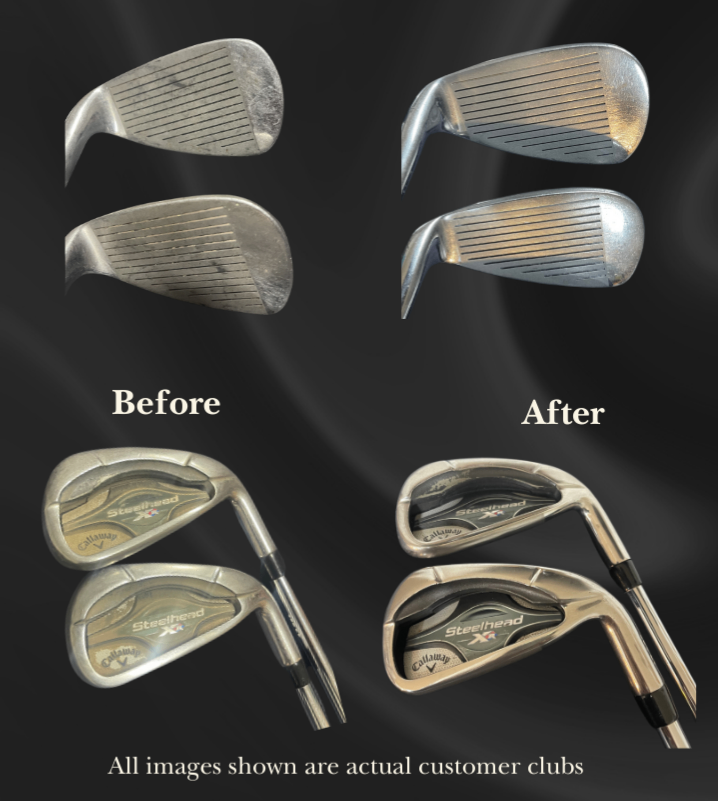
There is something genuinely satisfying about pulling a set of irons out of the bag and having them look the way they did the day you bought them. Clean faces, sharp grooves, fresh grips, and a shine that catches the light just right. For most golfers though, reality looks a little different. Months of rounds on wet fairways, muddy bunkers, and damp bag pockets take a toll, and clubs that once looked immaculate slowly start to show their age.
Golf club restoration is the process of reversing that wear. It goes beyond a quick rinse after a round. Done properly, it covers everything from deep groove cleaning and surface polishing through to grip replacement, shaft care, and bag detailing. The end result is a set of clubs that not only looks brand new but performs like it too.
If you are an Australian golfer wondering whether your clubs are worth restoring, spoiler: they almost certainly are. Here is everything you need to know.
What Does Golf Club Restoration Actually Involve?
The term gets used loosely, so it is worth breaking down what proper golf club restoration covers.
Club Head Cleaning and Groove Restoration
The face of a golf club is where performance lives. Grooves are engineered to grip the ball, create backspin, and give you control on approach shots. When those grooves fill with compacted grass, clay, and dirt, that engineering stops working. The ball does not grip. Spin drops. Shots fly unpredictably.
A surface wipe will not fix this. The debris packed into grooves sits tight, and ordinary brushing often just moves it around without fully removing it. Professional restoration uses ultrasonic cleaning technology, which sends high-frequency sound waves through a water solution to dislodge contaminants from every crevice in the club head. It is the same technology used to clean jewellery and surgical instruments, and it works exceptionally well on golf club faces. Every groove comes out clean across its full depth, not just the visible surface.
After groove cleaning, the club head itself gets polished to restore its original shine and remove surface oxidation. For irons and wedges that have seen a few seasons of play, the difference is dramatic.
Grip Conditioning
Grips degrade faster than most golfers realise. Natural oils from your hands, sunscreen, insect repellent, and general grime all break down the grip material over time. What was once a tacky, confident-feeling grip slowly becomes slick and unreliable. Studies have consistently shown that worn grips cause golfers to grip tighter, which creates tension through the hands, wrists, and forearms, and that tension hurts your swing.
Grip conditioning involves a thorough clean and treatment that restores the original tackiness and extends grip life. Where grips are beyond conditioning, replacement is the better option. Either way, the feel difference the next time you play is immediately noticeable.
Bag Detailing
It might seem like a cosmetic concern, but your golf bag takes more punishment than any single piece of equipment you own. It sits in car boots, gets dragged across wet grass, gets leaned against fences and walls, and accumulates a surprising amount of grime inside every pocket. A detailed clean of the bag, including internal pockets and zippers, not only makes it look great but prevents that grime from transferring back onto clean clubs.
Shaft and Overall Care
Shafts, particularly graphite shafts, benefit from a clean and protective wipe-down to prevent surface degradation. Ferrules, the small plastic rings that sit between the club head and shaft, often loosen or look tatty over time and can be checked and reseated as part of a full restoration service.
When Should You Restore Your Golf Clubs?
A good rule of thumb is at least once a year, ideally at the start of the season. For golfers who play regularly, every six months makes sense.
Beyond a calendar schedule, there are a few clear signs your clubs need attention. If your wedges are no longer stopping the ball on the green the way they used to, dirty grooves are the likely culprit. If your grips feel slick even when your hands are dry, they need conditioning or replacement. If you open your bag and wince at what you see, that is probably reason enough.
There is also a practical financial argument. A quality set of golf clubs is a serious investment. Irons alone can run from a few hundred to well over a thousand dollars. Proper restoration every season extends the life of that equipment significantly, keeping clubs performing at their best for years longer than they would with basic care.
Can You Restore Golf Clubs at Home?
Yes, to a point. A bucket of warm water, a stiff brush, and some mild detergent will remove surface dirt from club heads after a round. That is basic maintenance and every golfer should be doing it.
The honest limitation of home cleaning is that it cannot match the depth of professional restoration. Ultrasonic cleaning removes debris that brushes and soaking cannot reach. Professional polishing compounds restore surface finishes without risking scratches from incorrect technique. And the time investment for a proper home restoration of a full set of fourteen clubs, two wedges, and a bag is substantial.
For golfers who want the real result, the genuine deep clean that actually restores performance rather than just improving appearances, professional club detailing is the practical answer.
Golf Club Restoration in Melbourne
For Melbourne golfers, there has historically been no dedicated professional club detailing service. That changed with Love Your Clubs, based in Glen Waverley and servicing golfers across Melbourne's eastern suburbs and beyond.
Love Your Clubs offers a full golf club restoration service that covers ultrasonic club head cleaning, grip conditioning, bag detailing, golf ball revitalisation, shoe care, and trolley detailing. Every club in the set gets treated individually, not just wiped down as a group. The process is thorough, the results are visible, and the turnaround is handled with a convenient pickup and drop-off service within 15km of Glen Waverley.
The Performance Argument for Restoration
Clean clubs genuinely perform better. This is not marketing language, it is club engineering. Groove geometry is calculated by manufacturers to deliver specific spin rates at specific loft angles. When grooves are packed with debris, that geometry is compromised. On short irons and wedges, where groove performance matters most, the effect on spin and control is measurable.
If you have been wondering why your short game has felt inconsistent, or why your approach shots are not checking the way they used to, your clubs may be part of the answer.
Ready to Restore Your Clubs?
If your clubs are overdue for a proper restoration, the team at Love Your Clubs can take care of the full process. From ultrasonic cleaning and grip conditioning to full bag detailing, every service is designed to get your equipment back to its best.
Book your restoration service at loveyourclubs.com.au or call 0458 841 247 to arrange a pickup from anywhere within 15km of Glen Waverley. Your clubs will thank you, and so will your scorecard.
Disclaimer: This article is for general information only. Love Your Clubs aims to provide helpful guidance, but outcomes may vary depending on the condition, material, age and prior use of each golf club or item of golf equipment. Love Your Clubs is not responsible for any damage, loss, injury, result or outcome arising from the use of this information or from any action taken by the reader. Always use care and seek professional advice where needed.